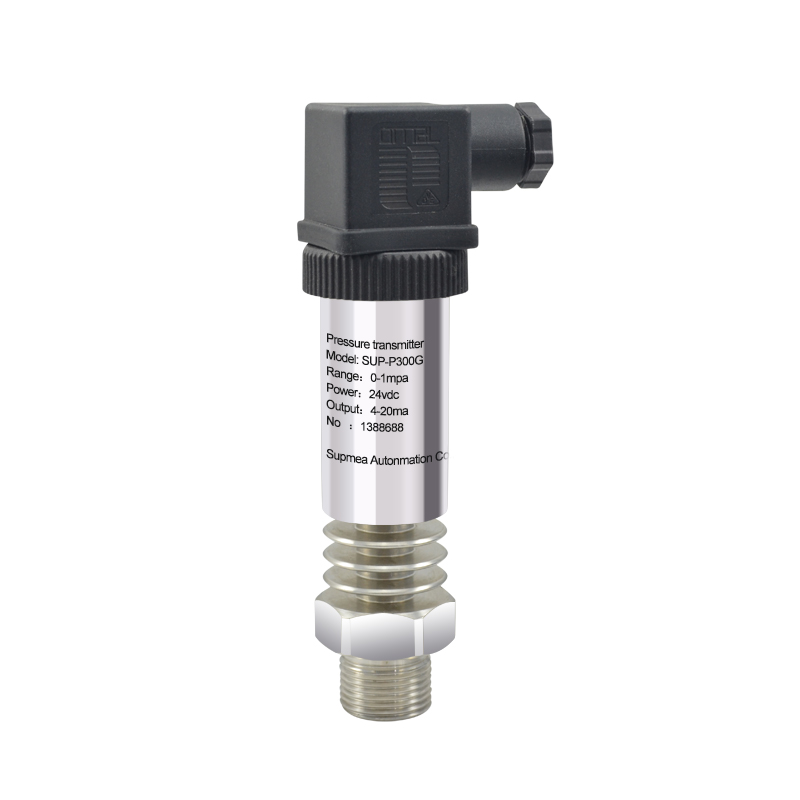
**Revolutionizing Liquid Measurement: Ultrasonic Sensor Level Technology Enhances Accuracy and Efficiency**In today’s rapidly advancing industrial landscape, precision and reliability in liquid level measurement are paramount for operational success across various sectors including manufacturing, water treatment, chemical processing, and food and beverage production. Emerging as a game-changer in this field is the ultrasonic sensor level technology, which offers unparalleled accuracy, non-contact measurement, and adaptability in diverse environments.**Understanding Ultrasonic Sensor Level Technology**Ultrasonic sensor level devices utilize high-frequency sound waves to measure the distance between the sensor and the liquid surface. By emitting ultrasonic pulses and calculating the time taken for the echo to return, these sensors determine the exact liquid level within containers, tanks, or open channels. Unlike traditional mechanical or float-based systems, ultrasonic sensors provide contactless measurement, thereby minimizing wear and tear and reducing maintenance requirements.The technology excels in environments where contamination or corrosive substances might interfere with mechanical sensors. Additionally, its ability to function without direct contact with the liquid makes it suitable for measuring hazardous or volatile chemicals safely. Ultrasonic sensors also perform well in varying temperature ranges and can be integrated with digital monitoring systems to enable real-time data analysis, remote monitoring, and automated process control.**Advantages Driving Industry Adoption**Industries globally are embracing ultrasonic sensor level technology due to its multiple advantages:- **High Accuracy and Reliability:** Ultrasonic sensors deliver precise measurements, reducing errors significantly and ensuring consistent monitoring.- **Non-Contact Measurement:** This minimizes sensor degradation and eliminates contamination risks, extending sensor lifespan.- **Versatility:** Suitable for liquids, slurries, and solids, ultrasonic sensors adapt to complicated measurement scenarios.- **Cost-Effective Installation and Maintenance:** With fewer mechanical parts, the system reduces downtime and maintenance costs.- **Easy Integration:** Compatibility with IoT and automation infrastructure facilitates streamlined operations and data-driven decision-making.**Company Profile: Driving Innovation in Measurement Solutions**At the forefront of this technological innovation is a leading manufacturer specializing in cutting-edge measurement instruments. With years of experience and a commitment to quality, the company has developed its ultrasonic sensor level product line to meet stringent industrial requirements. Their focus on research and development ensures continuous improvement in sensor sensitivity, durability, and user-friendliness.The company’s ultrasonic sensor level products are designed for easy installation and are compatible with various industrial communication protocols, making them a preferred choice for engineers and operations managers. Their vertical integration—from component manufacturing to software development—allows for superior quality control and customized solutions tailored to specific client needs.Beyond product excellence, the company emphasizes customer support, offering comprehensive training, after-sales service, and technical consultation. This holistic approach has garnered a loyal customer base across regions, cementing the company’s reputation as a trusted partner in measurement technology.**Applications and Case Studies**In water treatment plants, ultrasonic sensor levels have enhanced reservoir monitoring, enabling operators to maintain optimal water levels and ensure uninterrupted supply. Chemical processing facilities benefit from the ability to measure aggressive and corrosive liquids without sensor degradation, enhancing safety and reducing downtime.In the food and beverage industry, strict hygiene standards necessitate non-contact measuring equipment. Ultrasonic sensors meet these standards, offering sanitary operation and easy cleaning protocols. For example, a dairy processing plant integrated ultrasonic level sensors into their storage tanks, which resulted in improved inventory management and reduced product loss.Additionally, mining and bulk material handling sectors employ ultrasonic sensors to monitor slurry levels, preventing equipment damage and optimizing material flow. This widespread utility underscores the technology’s versatility and value.**Future Prospects and Industry Trends**As Industry 4.0 and smart manufacturing continue to evolve, ultrasonic sensor level devices are expected to integrate more deeply with digital ecosystems. The advancement of wireless communication, cloud computing, and AI-powered analytics will transform how liquid level data is leveraged for predictive maintenance, process optimization, and regulatory compliance.Sustainability initiatives also highlight the role of precision measurement in reducing waste and conserving resources. By achieving accurate level monitoring, industries can minimize overflow, spillage, and energy consumption, contributing to greener operations.Furthermore, ongoing innovations focus on enhancing sensor miniaturization, energy efficiency, and multi-parameter sensing capabilities, ensuring that ultrasonic sensor technology remains at the cutting edge of industrial measurement.**Conclusion**Ultrasonic sensor level technology represents a significant leap forward in the field of liquid measurement, offering unmatched accuracy, durability, and flexibility. Supported by a company dedicated to innovation and quality, these sensors are transforming operational standards across diverse industries. As the industrial sector continues to embrace digital transformation and sustainability, ultrasonic sensor levels will play a pivotal role in enabling smarter, safer, and more efficient processes worldwide.For businesses seeking reliable and advanced liquid level measurement solutions, investing in ultrasonic sensor technology not only addresses current operational challenges but also prepares them for the future of intelligent manufacturing.
Read More