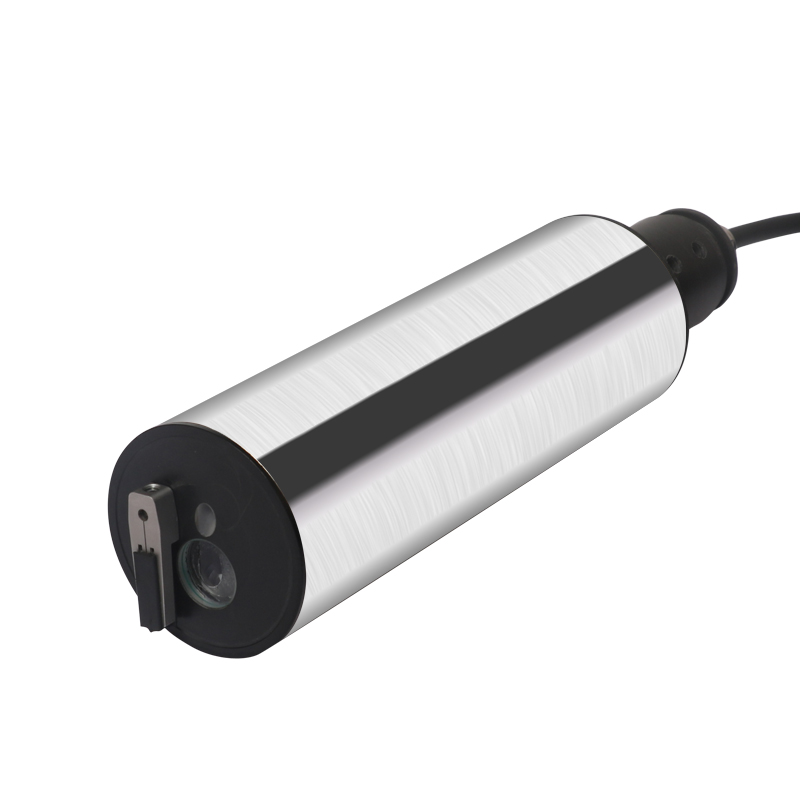
**Rising Demand for Water Flow Sensors Drives Market Growth and Innovation**In today’s rapidly evolving industrial and environmental landscape, the demand for reliable and accurate water flow sensors has experienced significant growth. These devices play a critical role across a wide array of applications, ranging from water management systems to industrial automation, ensuring efficient monitoring and control of water usage. As industries continue to prioritize sustainability and operational efficiency, water flow sensors are emerging as indispensable tools.### Market Overview: Water Flow Sensor Price TrendsThe pricing dynamics of water flow sensors have become a focal point for both manufacturers and end-users. Traditionally, the cost of these sensors varied widely based on factors such as technology type, accuracy, material, and sensor size. Over recent years, technological advancements and increased manufacturing scale have contributed to a gradual reduction in prices, making these sensors more accessible for various applications.However, the pricing landscape is also influenced by raw material costs, supply chain fluctuations, and innovation investment. Sensors that offer advanced features such as wireless connectivity, enhanced durability, and integration capabilities tend to command premium prices. On the other hand, standardized, mass-produced models remain competitively priced to cater to large-scale deployments.### Applications Driving GrowthWater flow sensors are pivotal in multiple sectors including municipal water supply, agriculture, HVAC systems, automotive cooling systems, and industrial process control. In agriculture, for instance, precise irrigation management enabled by flow sensors leads to significant water conservation, helping farmers optimize crop yields while reducing waste.In urban water management, sensors contribute to leakage detection and water quality control, addressing critical challenges faced by cities worldwide. Additionally, industries leveraging these sensors can monitor fluid dynamics in real-time, facilitating predictive maintenance and reducing downtime.### Technological InnovationsAs the market expands, manufacturers are investing heavily in research and development to enhance sensor accuracy, durability, and ease of integration. Innovations such as ultrasonic and electromagnetic flow sensors offer non-invasive measurement techniques, reducing wear and tear and extending product lifespan.Furthermore, the integration of Internet of Things (IoT) technology has enabled water flow sensors to transmit data wirelessly to control systems, allowing for real-time monitoring and remote diagnostics. This connectivity not only improves responsiveness but also supports data analytics efforts for better resource management.### Company Profile Highlight: [Company Name]One of the prominent players in the water flow sensor industry is [Company Name], known for its commitment to innovation and quality. With a comprehensive product range, [Company Name] addresses diverse customer needs, from basic flow monitoring to complex industrial automation solutions.The company emphasizes customer-centric design, ensuring that its sensors are easy to install, maintain, and integrate with existing systems. Its global footprint and robust supply chain enable timely delivery and consistent support across markets.### Future OutlookThe outlook for water flow sensors remains bullish, driven by increasing investments in smart infrastructure and environmental sustainability initiatives. Government regulations emphasizing water conservation and monitoring are also expected to boost demand.Moreover, the transition towards smart cities and Industry 4.0 presents new opportunities for these sensors to be embedded within sophisticated systems that optimize water usage and enhance operational efficiency.### ConclusionIn summary, the water flow sensor market is witnessing dynamic growth supported by technological advancements, expanding applications, and heightened environmental concerns. While pricing remains competitive, the value delivered by advanced sensor solutions justifies investments from both public and private sectors.As companies like [Company Name] continue to innovate and expand their product offerings, end-users can expect more accurate, reliable, and cost-effective water flow monitoring solutions, ultimately contributing to sustainable water management and industrial productivity.
Read More