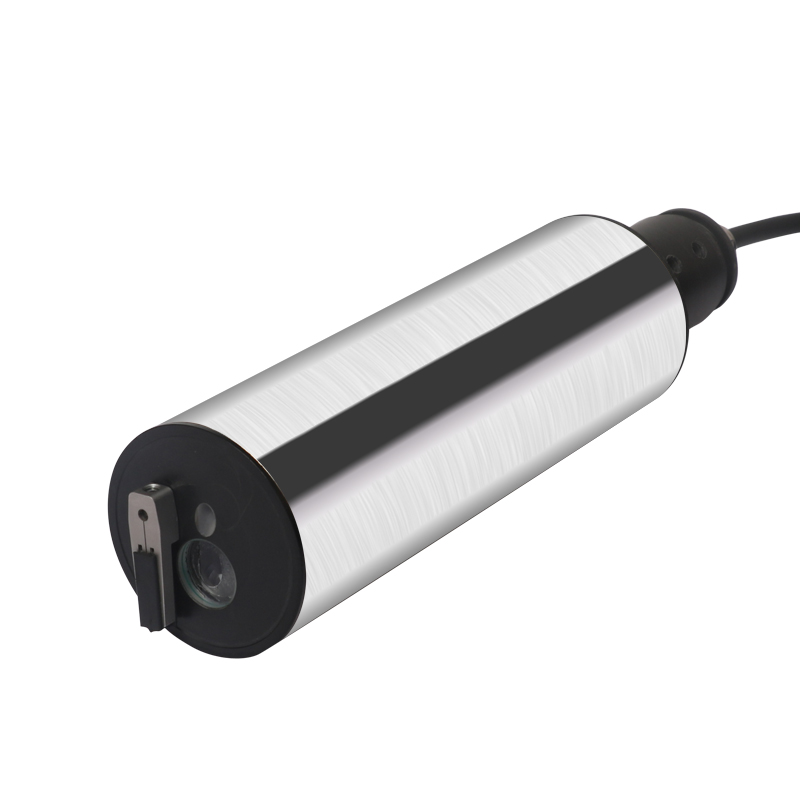
**Advancements in Fuel Rail Pressure Transmitter Technology Boost Automotive Performance and Safety**In the rapidly evolving automotive industry, precision and reliability of engine components are paramount. Among these, the fuel rail pressure transmitter plays a critical role in ensuring engine efficiency, optimal performance, and emissions control. Recent developments in fuel rail pressure transmitter technology have brought improved accuracy, durability, and integration capabilities, marking a significant step forward for vehicle manufacturers and end-users alike.### What is a Fuel Rail Pressure Transmitter?A fuel rail pressure transmitter is a sensor device designed to monitor the pressure of fuel within the rail supplying the engine’s injectors. Maintaining precise fuel pressure is essential for the correct operation of fuel injection systems, influencing combustion efficiency, power output, and emission levels. The transmitter converts the mechanical pressure into an electrical signal, which is fed to the engine control unit (ECU) to manage fuel flow dynamically.### Industry Demand for Enhanced Sensor SolutionsWith the automotive sector facing stringent regulations on emissions and fuel economy, the demand for advanced sensor technologies has surged. Fuel rail pressure transmitters must deliver consistent performance under extreme conditions, such as high temperatures, vibrations, and corrosive environments. Innovations now focus on improving sensor accuracy, expanding operating ranges, and increasing resistance to environmental factors—all without compromising cost efficiency.### Technological Innovations and FeaturesRecent improvements in fuel rail pressure transmitters center around microelectromechanical systems (MEMS) technology, advanced materials, and integrated electronics. These enhancements allow for:- **Higher Sensitivity and Accuracy:** Newer models provide measurements with minimal deviation, ensuring the engine receives precise fuel pressure data.- **Enhanced Durability:** Use of corrosion-resistant materials and robust packaging extends the sensor lifespan, even in harsh engine compartments.- **Compact Design:** Miniaturized components enable easier integration into modern, space-constrained engine layouts.- **Faster Response Time:** Improved signal processing capabilities lead to real-time pressure monitoring, beneficial for adaptive engine management.- **Wide Compatibility:** Sensors are designed to meet diverse engine requirements, supporting various fuel types, including gasoline, diesel, and alternative fuels.### Impact on Vehicle Performance and EmissionsBy supplying accurate and timely data on fuel pressure, these transmitters allow the ECU to fine-tune the fuel injection process, resulting in:- **Improved Fuel Efficiency:** Optimal fuel delivery reduces waste and enhances mileage.- **Reduced Emissions:** Precise control of fuel-air mixture leads to cleaner combustion, cutting down harmful pollutants.- **Better Engine Performance:** Stability in fuel pressure prevents engine knock, misfires, and power loss.- **Enhanced Diagnostics:** Early detection of pressure anomalies aids in preventive maintenance and reduces downtime.### Company Introduction{} is a leader in automotive sensor technology, dedicated to delivering innovative solutions that meet evolving industry standards. With extensive experience in developing and manufacturing high-precision pressure sensors, {} provides a diverse product portfolio tailored for modern engine management systems. The company combines cutting-edge research with stringent quality controls to ensure each fuel rail pressure transmitter meets the highest benchmarks for performance and reliability.Committed to sustainability and technological advancement, {} continuously invests in R&D to enhance sensor functionalities while addressing environmental challenges. Their expertise not only supports fuel rail pressure transmitter applications but also extends to a wide range of automotive and industrial pressure sensing needs.### Partnership and Market OutlookAs automotive manufacturers push towards electrification and hybrid powertrains, the role of dependable fuel system sensors remains vital, especially in internal combustion engine (ICE) configurations. The collaboration between sensor producers like {} and automotive OEMs is instrumental in developing next-generation engines that comply with global emissions standards without compromising power or efficiency.Industry analysts predict a steady growth in the demand for fuel rail pressure transmitters, driven by regulatory frameworks and consumer preferences for greener, more efficient vehicles. Technological advancements spearheaded by companies such as {} will continue to influence the integration of smart sensor solutions into vehicles, enhancing overall system intelligence and enabling predictive maintenance.### ConclusionThe evolution of fuel rail pressure transmitter technology represents a critical advancement in automotive engineering. By delivering high precision, robust durability, and seamless integration, these sensors enable improved engine performance, fuel economy, and emissions control. Companies like {} play a crucial role in this landscape, providing innovative sensor technologies that help shape the future of mobility.As the automotive industry navigates through the shifting terrains of environmental regulations and consumer expectations, the continued development and adoption of advanced fuel rail pressure transmitters will be key to achieving sustainable and efficient transportation solutions.
Read More